
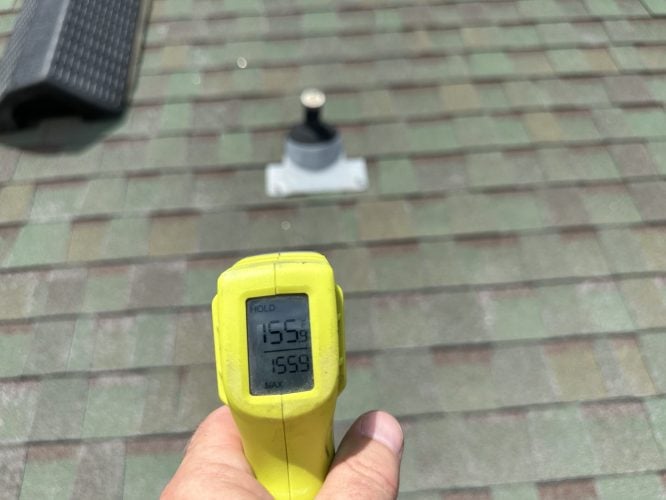
When homeowners think about roof damage, hail and high winds usually come to mind first. In North Texas, however, extreme summer heat can be just as important. Months of intense sunlight, high temperatures, and repeated temperature changes can gradually wear down roofing materials and shorten the life of a roof.
Your roof protects your home from the elements, but it is exposed to those elements every day. During a typical North Texas summer, temperatures on the roof surface can become significantly hotter than the outdoor air. Over time, that heat can affect shingles, flashing, sealants, roof decking, attic temperatures, and other parts of the roofing system.
Understanding how heat affects your roof can help you recognize problems early and take steps to extend its service life.
Why Does Heat Affect a Roof?
Roofing materials are designed to withstand outdoor conditions, but prolonged exposure to extreme heat and ultraviolet radiation can accelerate normal aging.
Asphalt shingles contain oils and other components that help keep them flexible and weather-resistant. Continued exposure to high temperatures and sunlight can gradually cause these materials to become less flexible.
Over time, excessive heat can contribute to:
- Shingle aging
- Cracking and brittleness
- Curling or warping
- Blistering
- Granule loss
- Deterioration of sealants
- Damage to flashing and roof penetrations
- Faster deterioration of roof decking when moisture problems are present
Heat-related deterioration usually does not happen overnight. Instead, it develops gradually and may not become obvious until the roof has already experienced significant wear.
North Texas Summers Can Be Especially Hard on Roofs
Roofs throughout Fort Worth, Weatherford, Aledo, and surrounding Parker County communities deal with a combination of heat, sunlight, wind, and severe weather.
During the summer, a roof can remain exposed to direct sunlight for many hours. Dark roofing materials absorb a significant amount of solar energy, causing the roof surface to become much hotter than the surrounding air.
The attic can become extremely hot as well, particularly when ventilation or insulation is inadequate.
That combination creates a challenging environment for the entire roofing system.
North Texas roofs also experience repeated changes in weather. A roof may be exposed to extreme heat during the day, followed by cooler nighttime temperatures. Over many years, these repeated cycles can place additional stress on roofing materials and components.
How UV Exposure Ages Shingles
Heat is only part of the problem. Ultraviolet radiation from the sun also contributes to roof aging.
Asphalt shingles are continuously exposed to sunlight. Over time, UV radiation can break down the materials that help shingles remain flexible and weather-resistant.
The effects may include:
- Loss of flexibility
- Surface deterioration
- Cracking
- Granule loss
- Fading
- Premature aging
Granules serve an important purpose on asphalt shingles. They help protect the underlying asphalt from sunlight and provide additional resistance to weather.
When shingles begin losing excessive amounts of granules, the underlying material becomes more exposed to the elements.
Some granule loss is normal as shingles age. However, significant or unusual granule accumulation in gutters and downspouts can be a reason to have the roof evaluated.
Thermal Expansion and Contraction
Roofing materials expand when they become hot and contract as they cool.
This is a normal physical process, but repeated expansion and contraction over many years can contribute to stress on certain roofing components.
Different materials may expand and contract at different rates. This can place stress on areas where materials meet, including:
- Flashing
- Pipe boots
- Roof vents
- Sealants
- Fasteners
- Metal components
- Roofing membranes
These areas are already important because they help keep water out of the home. If seals deteriorate or components become damaged, small openings can eventually allow water to enter.
A roof can therefore experience heat-related deterioration even when the shingles themselves appear to be in reasonable condition.
How Heat Affects Roof Flashing and Sealants
Flashing is used around many areas where water could otherwise enter the roofing system. This includes chimneys, skylights, walls, valleys, and roof penetrations.
Sealants are often used to help protect these areas from moisture.
Repeated exposure to high temperatures and UV radiation can cause some sealants to dry out, shrink, crack, or lose their flexibility.
Once a seal begins deteriorating, water can find its way into small gaps.
This is one reason a roof inspection should involve more than simply looking for missing shingles. Flashing, penetrations, and sealants are important parts of the complete roofing system and can become problem areas as a roof ages.
Heat and Your Attic
The condition of your attic can have a major effect on how your roofing system handles summer heat.
A poorly ventilated attic can become extremely hot during North Texas summers. That heat can transfer through the roof deck and into the living space below.
Proper attic ventilation helps move hot air out of the attic while allowing outside air to enter through properly designed intake ventilation.
A balanced ventilation system generally uses:
- Intake vents near the lower portion of the roof
- Exhaust vents near the highest portion of the roof
- Adequate airflow between the two
The goal is not to make the attic the same temperature as the outdoors. Instead, the goal is to prevent excessive heat and moisture from becoming trapped inside the attic.
Why Attic Insulation Matters
Ventilation and insulation serve different purposes, but they work together.
Ventilation helps move air through the attic. Insulation helps slow the transfer of heat between the attic and the conditioned living space.
If insulation is inadequate, more heat can transfer from the attic into the home. This can make upper floors uncomfortable and increase the workload on the air-conditioning system.
If insulation is installed incorrectly and blocks soffit vents, however, it can interfere with the airflow the ventilation system needs.
That is why attic ventilation and insulation should be evaluated as part of the overall attic system rather than treated as completely separate issues.
Signs That Heat May Be Affecting Your Roof
Heat-related roof deterioration is not always obvious from the ground. However, there are several warning signs homeowners can watch for.
Curling or Buckling Shingles
Shingles that are curling, buckling, or becoming distorted may be showing signs of age or deterioration.
Heat can contribute to this process, although other factors such as improper installation, ventilation problems, moisture, and normal aging can also play a role.
Cracked or Brittle Shingles
Older shingles can become less flexible over time. Cracks may develop as the roofing material loses some of its ability to withstand temperature changes and weather exposure.
Excessive Granules in Gutters
Finding a small amount of granule material in your gutters can be normal. A significant amount, especially on a relatively newer roof, may warrant further evaluation.
Deteriorating Sealants
Cracked or deteriorated sealant around roof penetrations, flashing, and vents can create opportunities for water intrusion.
High Attic Temperatures
An unusually hot attic can indicate that the ventilation system is not adequately moving air. Heat can also become a bigger problem when insulation or air sealing is insufficient.
Higher Cooling Costs
A hot attic does not automatically mean your roof is damaged. However, if your home suddenly becomes harder to cool, it may be worth evaluating the attic insulation, ventilation, and overall roofing system.
Can Roof Color Affect Heat?
Roof color can influence how much solar energy a roofing material absorbs.
Darker roofing materials generally absorb more solar radiation than lighter-colored materials. This can result in higher roof surface temperatures.
That does not mean a dark roof is automatically a bad choice. Roofing material, roof design, insulation, ventilation, climate, and other factors all affect overall performance.
When replacing a roof, homeowners should consider how the roofing material will perform in the specific North Texas climate rather than choosing based on appearance alone.
How Proper Ventilation Helps
Attic ventilation cannot eliminate the heat your roof receives from the sun, but it can help prevent excessive heat from becoming trapped inside the attic.
A properly designed ventilation system allows hot air to escape while providing a path for outside air to enter.
For many homes, a combination of soffit intake and ridge exhaust provides an effective passive ventilation system when properly designed and installed.
However, more vents do not necessarily mean better ventilation.
Adding multiple exhaust systems without evaluating the existing system can create unintended airflow patterns. For example, one exhaust vent may pull air through another exhaust vent instead of drawing replacement air through the intended intake vents.
The entire system needs to work together.
What Homeowners Can Do to Protect Their Roof
There are several practical steps homeowners can take to reduce heat-related problems and catch deterioration before it becomes a larger repair.
Schedule Regular Roof Inspections
A professional inspection can identify aging shingles, deteriorating flashing, damaged vents, and other issues that may not be visible from the ground.
Annual inspections are particularly useful in North Texas because roofs are exposed to intense summer heat as well as hail and high winds.
Check Your Attic Ventilation
Make sure soffit vents are not blocked by insulation, dust, debris, or other materials. Attic baffles should also maintain a clear pathway for incoming air.
Keep Gutters Clear
Clogged gutters can contribute to water problems around the roof edge. Keeping gutters and downspouts clear allows water to drain properly during heavy rain.
Address Small Problems Early
A damaged vent boot or deteriorating section of flashing may be a relatively small repair. Ignoring it can allow water to enter the roofing system and eventually damage the roof deck or interior of the home.
Look at Your Roof After Severe Weather
Heat is not the only threat to North Texas roofs. Hail and wind can cause damage that may not be immediately visible from the ground.
After a major storm, a professional inspection can help determine whether the roof has sustained damage.
Does Heat Mean You Need a New Roof?
Not necessarily.
A hot roof does not automatically mean the roofing system needs to be replaced. Many roofs can continue performing properly for years with appropriate maintenance and repairs.
The condition of the roof should be evaluated based on factors such as:
- Age
- Roofing material
- Shingle condition
- Granule loss
- Flashing condition
- Ventilation
- Moisture damage
- Previous repairs
- Storm damage
- Overall remaining service life
If problems are isolated, repairs may be appropriate. If the roof has widespread deterioration or is approaching the end of its expected service life, replacement may make more sense.
A professional inspection can help determine which option is appropriate.
Heat, Ventilation, and Roof Life
North Texas heat is something every homeowner has to deal with. You cannot prevent the sun from heating your roof, but you can make sure your roofing and attic systems are designed and maintained properly.
A roof with adequate ventilation, proper insulation, good flashing, and well-maintained roofing materials is better positioned to handle the conditions it faces throughout the year.
Regular maintenance also gives homeowners an opportunity to identify small problems before they turn into expensive repairs.
When Should You Have Your Roof Inspected?
At a minimum, homeowners should consider a professional roof inspection at least once a year and after major weather events.
An inspection may also be appropriate if you notice:
- Curling or missing shingles
- Excessive granules in gutters
- Cracked flashing
- Damaged vent boots
- Ceiling stains
- Musty attic odors
- Unusually high attic temperatures
- Signs of moisture
- Increased difficulty cooling the home
For homeowners in Fort Worth, Weatherford, Aledo, Parker County, and surrounding communities, regular inspections can be especially valuable because roofs face a combination of extreme summer heat, UV exposure, hail, and strong winds.
The Bottom Line
Heat is a normal part of the North Texas climate, but years of intense heat and sunlight can accelerate the aging of your roofing system. Shingles, flashing, sealants, roof decking, and attic components can all be affected over time.
Proper ventilation and insulation can help manage attic conditions, while regular roof maintenance can catch signs of deterioration before they develop into larger problems.
If your roof is showing signs of heat-related aging, storm damage, or general wear, having the entire roofing system evaluated is the best way to understand its condition and determine what should be done next.
Americana Roofing serves homeowners throughout Aledo, Weatherford, Fort Worth, Parker County, and surrounding North Texas communities. Our team can evaluate your roof, attic ventilation, and other roofing components and provide recommendations based on the condition of your home.